

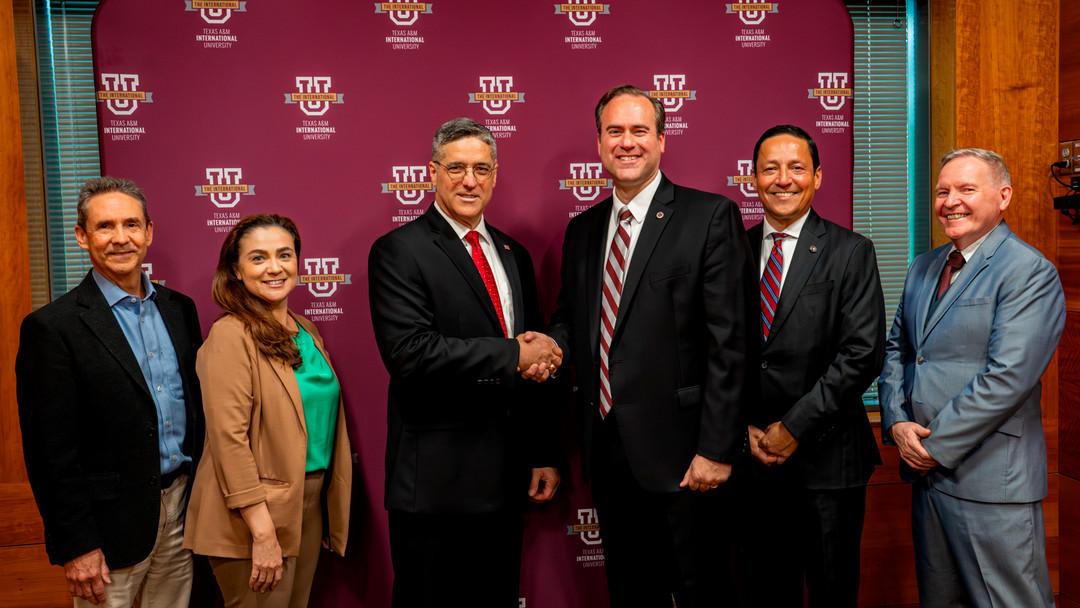
Texas A&M International University (TAMIU), in collaboration with the Boys & Girls Clubs of Laredo (BGCL), has pioneered an innovative educational program named Mission Antares 1—an immersive STEM initiative focused on introducing young students to the exciting realms of space science, engineering, and data-driven problem-solving. This initiative is not just a classroom extension but a dynamic, hands-on learning experience meant to stretch young minds beyond traditional boundaries. Designed for students ages 9–12, alongside a select group of high school participants, Mission Antares 1 unfolds as a five-day, campus-based adventure embedded within a four-week summer program. Its goal is to instill curiosity and build foundational skills in STEM fields, connecting early education with clear career pathways in science and technology.
Mission Antares 1 represents a vital push to expand educational opportunities in a region where access to cutting-edge STEM resources can be limited. The program integrates Texas Essential Knowledge and Skills with robust, high-quality instructional frameworks, providing a comprehensive, standards-aligned curriculum. Through immersive activities—such as astronaut training simulations, robotics, 3D printing, drone mapping, and full-dome planetarium experiences—students engage with STEM learning in ways that are both compelling and deeply educational. This initiative not only prepares students for future academic pursuits but also addresses a critical societal need: cultivating a diverse, skilled workforce ready to take on challenges in the growing space economy.
Dr. Christopher Maynard, TAMIU president, underscores the transformative potential of this partnership, stating, “Mission Antares 1 reflects our commitment to advancing STEM pathways and positioning our region at the forefront of the growing space economy.” His words highlight the strategic significance of engaging students early through interactive, immersive learning to build a sustainable talent pipeline tailored to the needs of both regional and national priorities. Dr. Claudia San Miguel, TAMIU provost and vice president for Academic Affairs, emphasizes the program’s long-term educational impact: “This partnership builds meaningful pathways to higher education and prepares students for the workforce of tomorrow.” These sentiments are echoed by Memo Treviño, BGCL lifetime director, who remarks, “This collaboration elevates our mission and empowers young people to dream bigger than ever before,” highlighting the initiative’s role in inspiring youth to envision futures beyond their immediate surroundings.
The initiative’s partnerships reflect its comprehensive approach to education and community impact. Beyond TAMIU and BGCL, the involvement of local school districts ensures alignment with core academic standards while promoting accessibility. As Andrew Russell, BGCL CEO, explains, “Together with TAMIU, we are opening doors for our youth to become engineers, scientists and leaders in space innovation.” The program’s support from the Texas Space Commission’s Space Exploration and Aeronautics Research Fund further validates its importance, situating the project within a broader statewide effort to propel research, innovation, and workforce development in space-related fields.
Mission Antares 1 also stands out for its inclusive design and attention to accessibility. BGCL’s role in recruitment, transportation, and program delivery ensures that children from diverse backgrounds across Laredo can participate without significant barriers, as the program deliberately keeps fees low and all essential resources—meals, materials, transportation—included. Core experiences are amplified by TAMIU’s Lamar Bruni Vergara Planetarium, featuring the Sonia and Memo Benavides Immersive Theatre with its full-dome, high-resolution astronomy presentations. This technology enriches the educational environment with visually stunning, engaging content that deepens students’ understanding of space science and inspires awe.
The initiative also ties into TAMIU’s broader “cradle-to-career” STEM ecosystem, connecting young learners with sustained opportunities such as the Future Astronaut Trail—a bilingual, AI-enabled learning journey developed alongside NASA and global partners. This continuum embeds Mission Antares 1 within a visionary framework designed to nurture interest in STEM fields from early childhood through to professional advancement, highlighting regional commitment to positioning Laredo as a rising contributor to Texas’s space industry pipeline.
In the context of immersive education and the fulldome field, Mission Antares 1 exemplifies how cutting-edge planetarium technology and experiential learning can be woven into STEM curricula to great effect. By providing accessible, high-impact immersive experiences that are deeply integrated with educational standards, the program offers a replicable model for how institutions can use fulldome environments not only to captivate young learners but also to foster real-world skills and career readiness. The initiative pushes forward the mission of immersive education by broadening access and demonstrating how full-dome planetariums can serve as versatile, community-centered hubs for innovative STEM learning.
Ultimately, Mission Antares 1 serves as an inspiring beacon for educational institutions and community organizations aiming to harness immersive technologies to build equitable educational pathways and cultivate the next generation of scientific leaders. As the program plans to scale into an annual offering, it embodies a hopeful and practical vision—one where immersive STEM education is not a luxury but a cornerstone of community development and workforce innovation.
Originally reported by via www.lmtonline.com on 2026-05-03 07:48:00.
Read the full original article here: www.lmtonline.com