

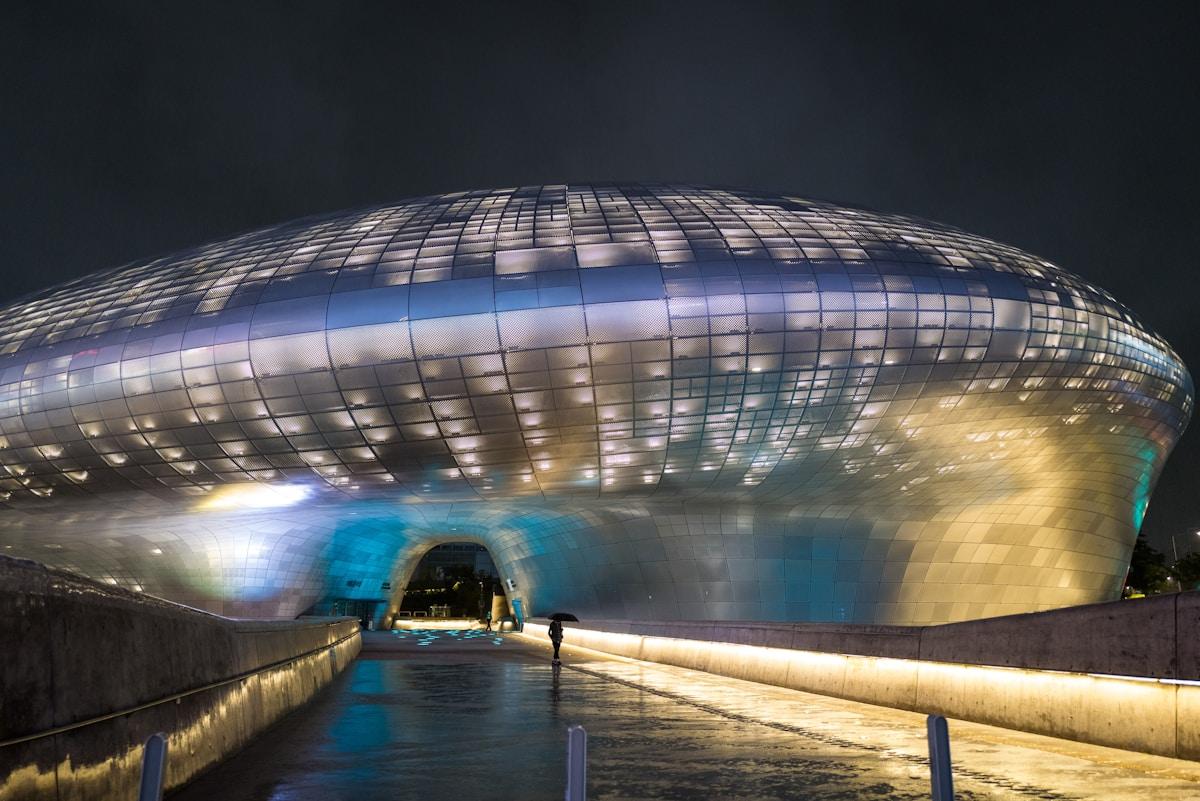
The McNair-Davis Planetarium, a landmark facility that had been closed for over nine years, is poised to reopen in the summer of 2026 with a transformative renovation that redefines its role in space science education and immersive media experiences. With an investment nearing $23 million, the planetarium has been revitalized into one of the largest and most advanced facilities in the Southeastern United States, boasting a grand 16-meter dome. This reopening signifies not only a return but a leap forward, positioning the planetarium as a premier venue for engagement with astronomy, science education, and immersive dome media.
More than a traditional planetarium theater, the new McNair-Davis Planetarium integrates a large classroom and science theater, alongside 5,000 square feet of lobby and space science exhibits. This expansive design reflects a forward-thinking approach to space education, where immersive technologies and live educational programming converge to create a multifaceted experience. The facility seeks passionate operating staff devoted to spreading the wonder of the cosmos across Mississippi and beyond, with positions available ranging from a managerial role to technicians and educators.
The planetarium working group and community emphasized their vision for candidates, stating they seek “someone who loves planetariums and the stars, and can spread that passion across the entire state.” Whether applicants are seasoned professionals in the planetarium field or enthusiastic newcomers, the opportunity represents a unique chance to make a significant impact. “As the manager of the state’s planetarium, the selected candidate has an opportunity to leave their mark on communities far beyond the City of Jackson,” highlighting the role’s regional importance. Encouragement is extended to all interested parties: “You have nothing to lose by applying and, possibly, a new planetarium to gain.”
Technically, the McNair-Davis Planetarium’s standout feature is its 16-meter dome, which situates it among the largest in the region, capable of delivering expansive, immersive visual presentations. Such a scale allows for high-resolution, fulldome content that envelops audiences in an unparalleled celestial environment. Modern planetarium technology often incorporates sophisticated rendering pipelines capable of handling ultra-high-definition projections and realtime data visualization, making astronomy both accessible and captivating. Although specific technical details were not disclosed, the inclusion of a science theater and exhibition space suggests a hybrid model of fulldome digital projection and interactive educational installations.
The renovation likely integrates cutting-edge projection systems, potentially including laser or LED light sources and advanced fisheye lens optics, enabling brighter images with enhanced color fidelity and contrast—crucial for faithfully rendering star fields and cosmic phenomena. This aligns the facility with contemporary industry trends that blend immersive audiovisual technology with educational storytelling. Integration with real-time astronomy software or even extended reality (XR) components could further expand programming versatility, making it a hub not only for traditional fulldome shows but also for interactive, engaging experiences that appeal to diverse audiences.
For the fulldome and planetarium industry, the McNair-Davis Planetarium’s revival signals a growing momentum towards multi-use, high-capacity venues capable of delivering sophisticated space science narratives. It exemplifies how modern planetariums serve as centers for both entertainment and education, bridging the gap between scientific accuracy and immersive engagement. Creators are offered a wider canvas for content, whether developing cosmic journeys, educational modules, or live presentations enhanced with dynamic visuals. Venues like McNair-Davis may also foster increased collaboration with schools and community organizations, supporting STEM education through impactful, experiential learning.
Potential adoption barriers might include maintaining cutting-edge technical staff and continually updating content to reflect current astronomy discoveries and educational standards. However, the planetarium’s commitment to staffing—welcoming both experienced professionals and passionate newcomers—suggests a proactive strategy to cultivate talent and ensure operational excellence. Ultimately, facilities such as this are poised to reimagine how audiences interact with the universe, making the mysteries of space more accessible and inspiring through immersive media innovation. As the McNair-Davis Planetarium reopens, it stands as a beacon of advanced fulldome technology and an invitation for community-wide exploration of the cosmos.
Originally reported by Kris McCall via www.fddb.org on 2026-02-25 14:10:00.
Read the full original article here: www.fddb.org