

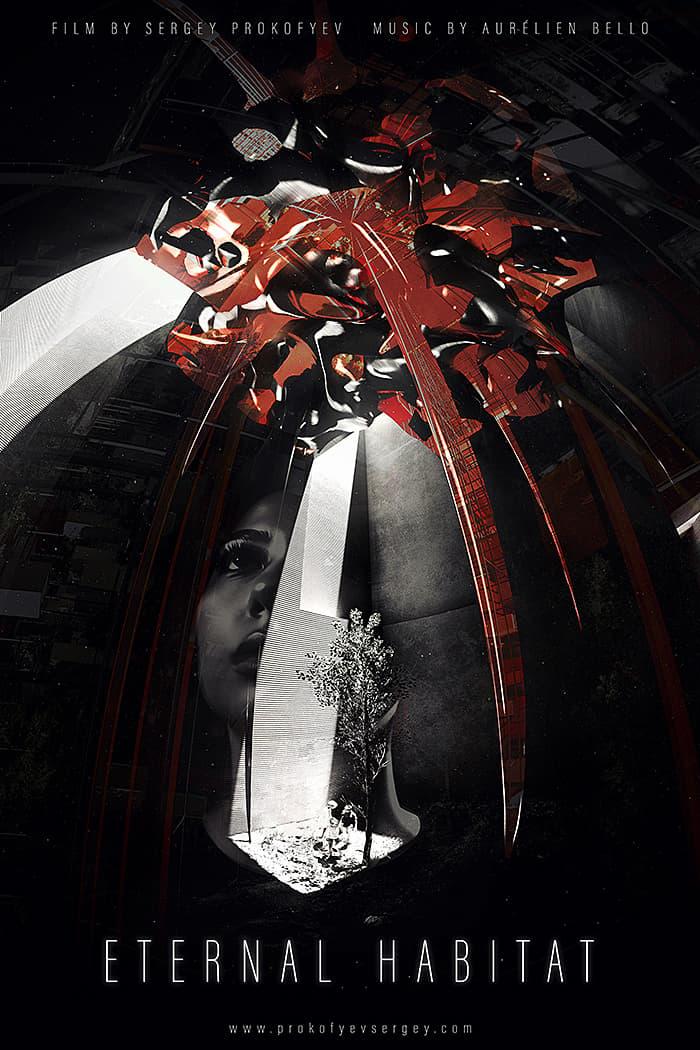
Our surroundings are far more than inert backdrops to our lives—they are active, evolving entities that carry the weight of time alongside us. In an age dominated by fleeting digital interactions and hyper-mediated realities, immersive cinema like “Eternal Habitat” challenges us to reconsider the spaces we inhabit not as static rooms or landscapes but as dynamic habitats intertwined with the flux of human existence. This perspective underscores a crucial shift in storytelling and environmental awareness, pushing us to rethink how space and time converge in both art and life.
The film’s embrace of immersive cinema as a medium is not just a technical choice but a philosophical statement: “Our surroundings are… dynamic units of time and space, quietly carrying us through the imperceptible temporal flow of life.” This idea flips the conventional notion of space as merely physical and measurable and instead frames it as a living dimension underscored by subtle, unspoken movements and transformations. The seamless spatial experience it creates invites reflection on how environments evolve and how we as inhabitants experience that evolution intimately, often without conscious awareness.
Immersive media, particularly in the fulldome and VR landscapes, has increasingly tapped into this relationship between space, time, and human presence. Works like this extend beyond traditional narrative cinema by enveloping audiences within environments that respond to their movements and perceptions, creating a unique synergy between viewer and setting. Exhibitions at venues like the Hayden Planetarium or the Lucid Realities showcase this trend, where the boundary blurs between observer and habitat. The immersive space becomes a collaborator, not just a container, shaping the emotional and cognitive experience over time. Yet, industry professionals must consider whether the emphasis on spectacle risks overshadowing deeper explorations of temporality and human connection, a tension worth navigating.
Why does this dynamic spatial-temporal perspective matter? For creators, it expands the language of storytelling, opening pathways to more nuanced, holistic experiences that align with how people naturally perceive and interact with their environments. For venue operators, it presents opportunities to rethink programming and spatial design—crafting experiences that are not only seen but felt as living, breathing habitats. For audiences, it prompts a reconnection with their surroundings, fostering mindfulness about the fleeting yet persistent nature of both space and life. This is particularly relevant as rapid urbanization and digital saturation threaten to alienate individuals from their physical and communal spaces.
The long-term implications point to a transformative potential in the creative ecosystem. As immersive technologies evolve—including AI-driven environments and biofeedback interfaces—the line between space and narrative will increasingly dissolve. Audiences may no longer be passive watchers but active participants whose presence shapes the environment’s evolution in real time. This convergence of technology, psychology, and art demands a new ethical and creative framework—one that respects the living quality of spaces, humanizes digital interaction, and retains environmental consciousness.
Ultimately, the question remains: how can creators, programmers, and venues cultivate immersive experiences that honor the profound interplay of space and time without reducing it to spectacle? Should the industry prioritize technological novelty or deepen its philosophical engagement with habitat as a living, temporal entity? As “Eternal Habitat” suggests, our environments carry us quietly through life’s flow—might we, in turn, carry our environments with deliberate care and imagination, crafting spaces that reflect the richness of human existence?
Immersive media’s next frontier lies not just in widening the aperture of visual and sensory stimuli but in heightening awareness of the temporal and spatial dimensions that shape our being. It invites the creative community to think critically about the environments we build—virtual or physical—and their entwined narratives with human life. How will you, as a creator or venue, respond to this call? Will you help foster habitats that transcend mere viewing and become living experiences, echoing the imperceptible but profound rhythms of time itself?
Originally sparked by reporting from Sergey Prokofyev via www.fddb.org on 2026-02-10 04:01:00.
Explore the original article here: www.fddb.org