

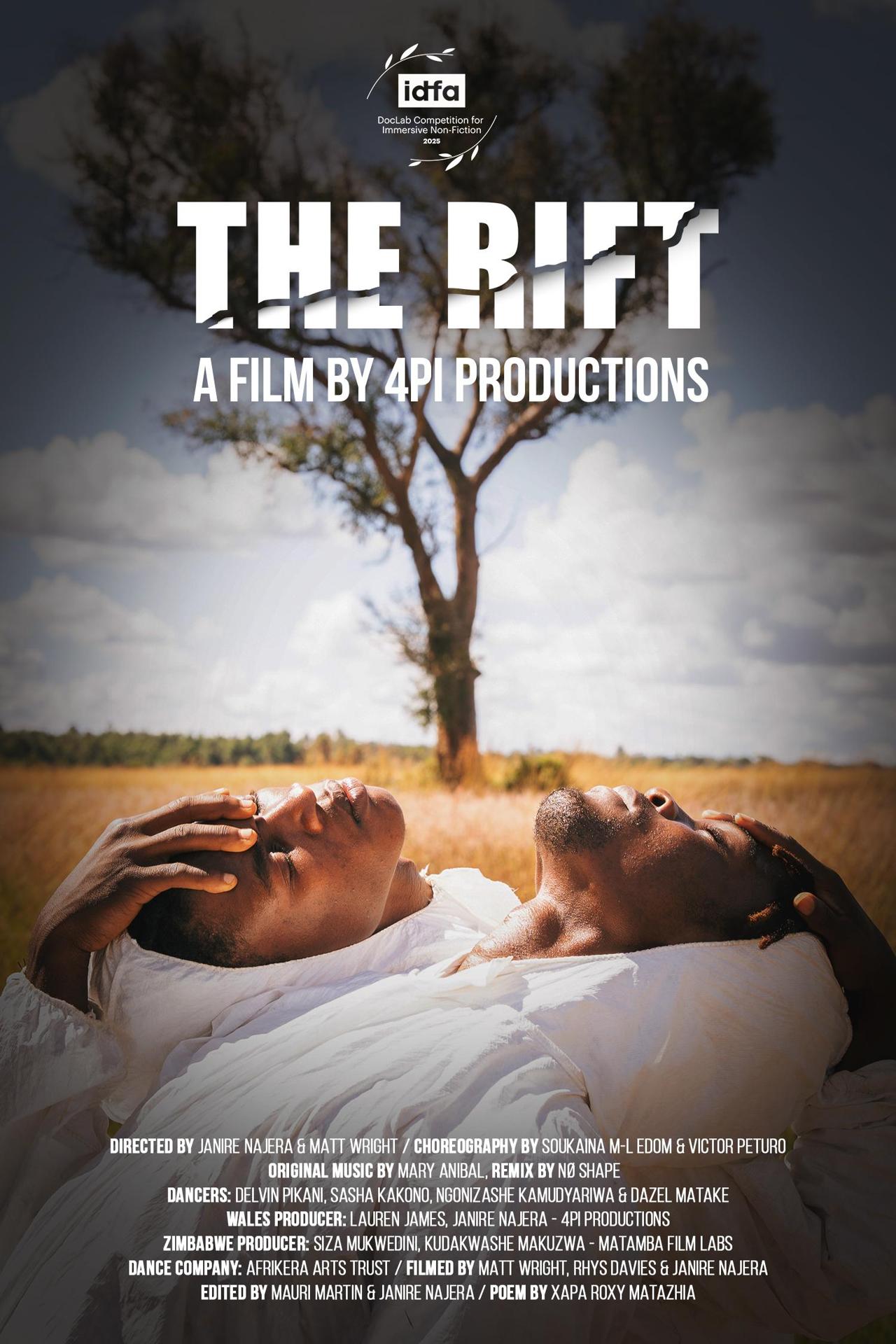
The Power of Immersive Film to Confront Climate Realities
In an era teetering on the precipice of ecological crisis, the urgency to communicate the climate emergency demands innovation beyond conventional storytelling. Immersive media, particularly fulldome cinema, emerges as a formidable conduit, seamlessly merging art and advocacy to evoke profound empathy and awareness. The immersive film THE RIFT, set in Zimbabwe and highlighting urgent climate issues through movement, imagery, and sound, exemplifies this transformative potential. It compels us to reconsider not just the stories we tell but how we tell them and the immersive spaces we design to inspire genuine collective action.
THE RIFT “blends contemporary dance and 360º cinema with an evocative score to confront issues such as access to water, fast fashion and plastic pollution,” illustrating an innovative marriage of sensory experience and environmental message. This approach bypasses cognitive arguments, reaching viewers viscerally and emotionally. The film’s setting—a land deeply intertwined with nature’s rhythms—reminds us that environmental degradation is not a distant abstraction but a lived reality, especially in vulnerable regions. By situating environmental challenges within a cultural and physical landscape, THE RIFT expands the narrative beyond statistics, fostering a connection that traditional media often fails to establish.
This method resonates with other pioneering fulldome projects like “The Great Animal Orchestra” or “Welcome to Earth,” which leverage immersive visuals and soundscapes to deepen audience engagement with natural worlds under threat. Immersive storytelling invites viewers not merely to observe but to inhabit these experiences, triggering a psychological shift from passive awareness to active concern. Such experiences pivot on the principle that transformation begins with empathy—a trait increasingly crucial amidst climate fatigue and media saturation.
Why does this matter for creators, venues, and the broader industry? Immersive media represents a paradigm shift in how stories about our shared future are disseminated. It challenges content creators to harness cutting-edge technology and interdisciplinary artistry—combining dance, film, sound design, and environmental science—to craft narratives that resonate on multiple sensory and intellectual levels. Venues equipped to deliver fulldome or VR experiences become pivotal spaces where audiences can engage deeply and meaningfully, supporting a culture of environmental responsibility.
Moreover, this growing trend aligns with evolving audience behaviors favoring experiential, participatory media over passive consumption. Younger generations, in particular, demand authenticity and emotional connection, gravitating toward formats that reflect their values and urgency about climate action. The integration of immersive storytelling and environmental advocacy thus offers a pathway to sustain engagement and motivate tangible change.
As the climate crisis accelerates and media channels overflow with information, how can the creative industries leverage immersive experiences like THE RIFT to move audiences beyond awareness to commitment? Should funding bodies and cultural institutions prioritize fulldome and VR projects as essential tools for environmental communication, recognizing their unique capacity to mobilize empathy and action? The answer likely holds profound implications for how we shape collective narratives and catalyze societal transformation.
The promise of immersive cinema is not just to illuminate the fissures in our planet’s health but to bridge the emotional distances between people and nature—urging creators, programmers, and curators to imagine new modalities of engagement that are as urgent as the crises they depict. In embracing these immersive forms, the arts community can foster a more connected, conscious, and proactive audience—equipped not merely to witness but to heal the rift that threatens our shared home.
Originally sparked by reporting from Janire Najera via www.fddb.org on 2026-02-09 01:15:00.
Explore the original article here: www.fddb.org