

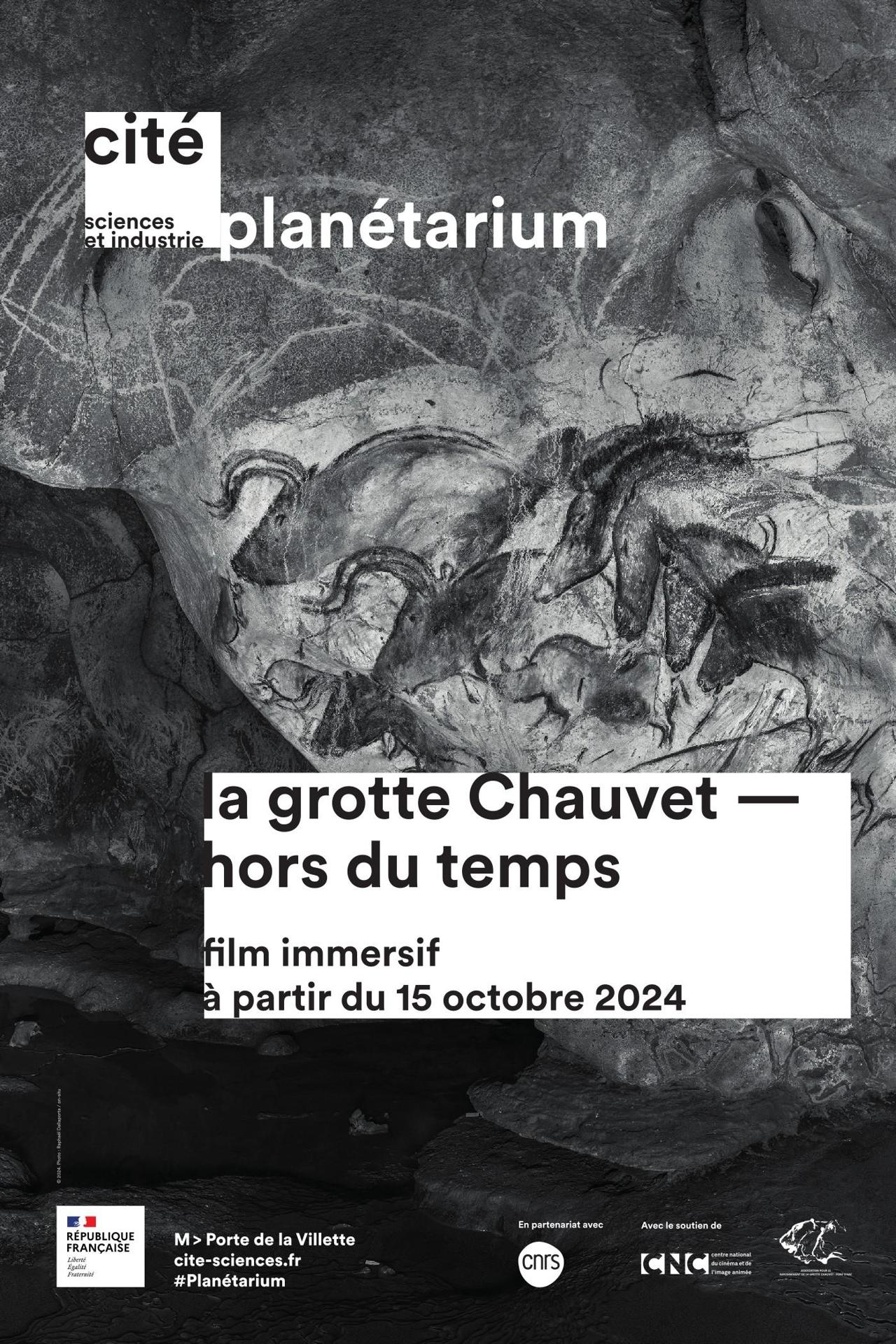
As the rising moon bathes the Pont d’Arc bridge in soft light, it serves as a poignant reminder that our connection to history is often illuminated not by the past itself but by how we choose to engage with it today. The immersive experience of La Grotte Chauvet — Timeless, which draws visitors into the depths of a 20,000-year-old archaeological wonder, exemplifies a bold shift in how cultural heritage is presented and perceived. No longer reserved for sterile academic display, history is now being resurrected through artistry and technology, challenging us to reconsider what it means to experience and understand the past.
“La Grotte Chauvet — Timeless takes a contemporary approach to this archaeological treasure,” the source article highlights, emphasizing that visitors are not merely observers but participants in a sensory narrative. The installation’s use of spatial sound and 360° projection, crafted by artist Raphaël Dallaporta, intentionally generates “a feeling of disorientation,” mimicking the vertigo of stepping back into a primordial epoch. This innovative intersection of art, history, and immersive media marks a profound evolution in storytelling—one that other creative industries are rapidly embracing. The rise of fulldome theaters, mixed reality exhibits, and VR-based historical reconstructions shows a growing appetite for experiences that stimulate the senses while fostering emotional connections to content traditionally regarded as distant or academic.
However, this movement toward immersion is not without its tensions. While technology offers unprecedented means to visualize and interact with heritage, it also blurs the line between authentic encounter and mediated simulation. The Chauvet Cave, once hidden away and sacrosanct, is now rendered accessible—yet through layers of digital interpretation. The challenge for creators is to balance fidelity to the original with the compelling allure of immersive spectacle, ensuring that such experiences enhance rather than dilute the significance of the artifacts and stories they portray. Similar debates have surfaced in digital museums and fulldome productions, where the pleasure and engagement of audiences sometimes risk overshadowing the integrity of historical truth.
Why does this matter? For cultural venues and creative industries, the stakes are substantial. Immersive media has the potential to democratize access to history, inviting diverse audiences who might never physically visit remote or restricted sites. It also encourages new modes of interdisciplinary collaboration between historians, artists, and technologists, stimulating innovation. Yet, as immersive storytelling becomes an industry norm, there’s a growing need for critical frameworks guiding its development. Audiences accustomed to spectacle might struggle to discern between experiential enrichment and entertainment commodification, risking a superficial engagement with heritage. Moreover, creators face ethical and practical questions regarding responsibility: how much interpretation is too much? How to preserve authenticity while embracing new media forms? These dilemmas point to a pivotal moment in the evolution of cultural storytelling.
As we navigate this evolving landscape, it is essential for creators, curators, and industry stakeholders to ask themselves: are we crafting experiences that invite profound reflection and insight, or merely dazzling distractions? In embracing immersive techniques, can we foster a renewed reverence for the past that extends beyond the spectacle? To truly honor treasures like Chauvet Cave, the community must advocate for experiences that provoke curiosity, empathy, and critical thought—transforming the visitor from passive consumer into engaged participant. Only then can the timeless stories preserved in stone and pigment find new life in the digital age, inspiring generations to come.
Originally sparked by reporting from Isabelle CHABANON-POUGET via www.fddb.org on 2026-01-27 23:48:00.
Explore the original article here: www.fddb.org