

Unlocking the Mind: Why Immersive Media Must Embrace the Brain’s Transformative Power
The human brain is perhaps the most fascinating frontier of exploration—and yet, it remains one of the most mysterious. In a media landscape saturated with flashy visuals and high-octane effects, few experiences dare to delve deeply into what truly makes us human: the intricate, dynamic workings of our own minds. As immersive media and fulldome experiences push the boundaries of storytelling, it is vital that creators focus not only on spectacle but on illuminating the brain’s unique capacity for adaptation, learning, and self-discovery. The narrative that the brain is a fixed entity is a disservice to audiences; instead, media should celebrate the brain’s plasticity and invite viewers to contemplate how they, too, can reshape their minds.
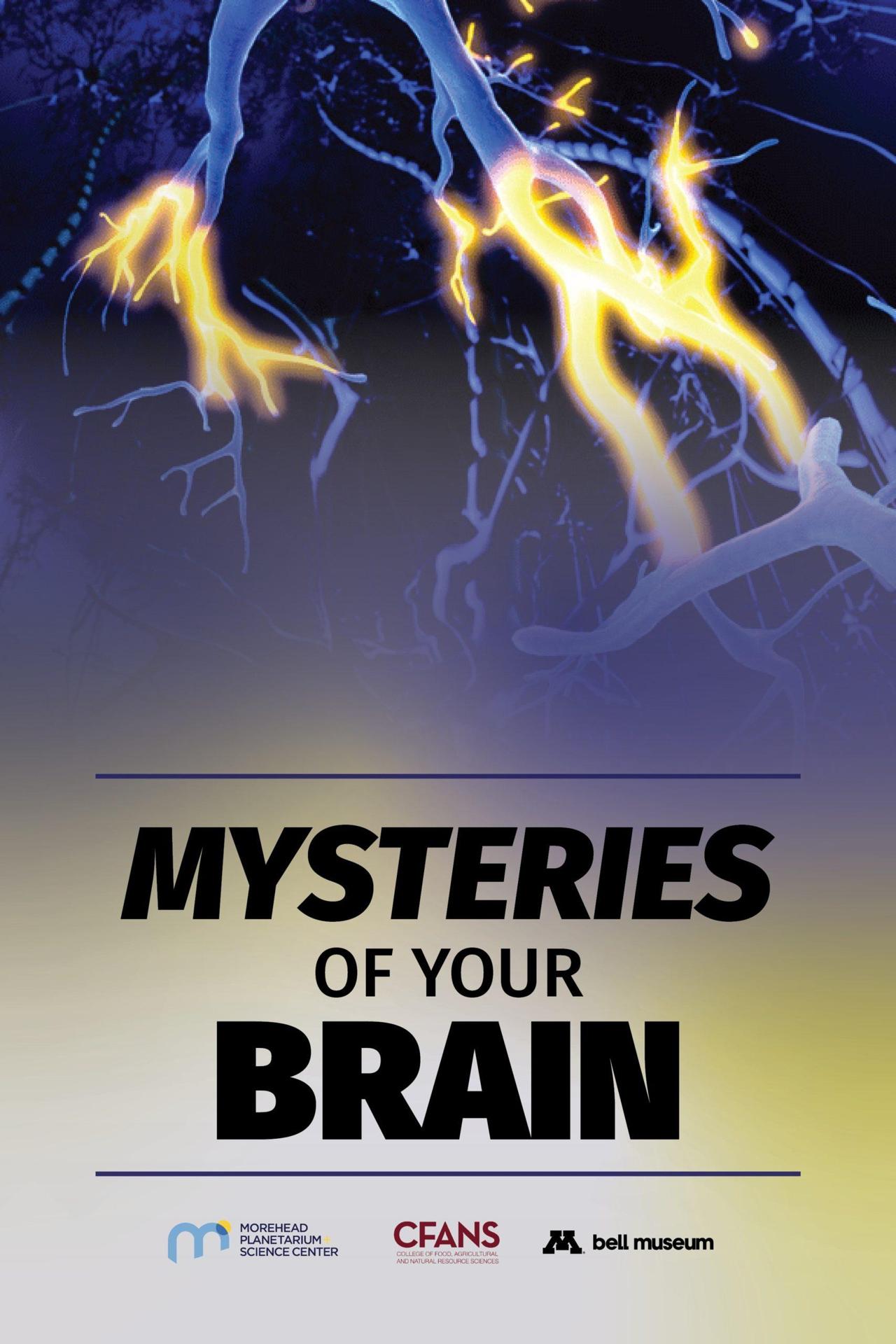
An animated fulldome journey featuring a girl and her crow companion zooming through neural pathways offers an excellent example of how immersive media can foster this deeper understanding. The source content states, “you’ll learn how your brain makes you, well, you, and see that ultimately, we each have the power to change our brains.” This emphasis on neuroplasticity breaks down the traditional view of the brain as a static control center and instead highlights it as a living, changing organ shaped by experience. Similarly, immersive installations like “The Infinite Human” by Marshmallow Laser Feast provide audiences with enormous, visceral representations of brain and body, stimulating a blend of awe and personal reflection about our cognitive capacities. These projects are setting a precedent for how immersive creative industries can transcend entertainment and become tools for meaningful education and empowerment.
However, the focus on brain science in immersive media also presents challenges. It requires creators to balance accurate scientific content with engaging, accessible storytelling. The risk of oversimplification or presenting illusions “on a grand scale,” as the source mentions, can sometimes stray into misinformation if not carefully managed. Yet, when done well, such content not only captivates but sustains curiosity about human cognition. The challenge for the broader industry ecosystem—from software developers and venue operators to educators and content programmers—is to collaborate closely with neuroscientists and cognitive psychologists to ensure authenticity and impact. Audiences today crave experiences that stimulate not just their senses but their intellect and self-awareness, reflecting the growing trend toward purposeful entertainment.
This issue matters profoundly in an era where digital media consumption often leads to passive engagement. Immersive tech holds the potential to reverse this trend by activating the brain’s capacity for active learning and transformation. Creators who harness these insights can craft experiences that contribute to mental wellness, lifelong learning, and even social empathy by revealing the shared neurobiological foundations beneath diverse appearances and behaviors. The long-term implications extend beyond entertainment into education policy, cognitive health initiatives, and virtual reality therapies. As immersive venues evolve from novelty to necessity, the power to shape individual and collective brain experiences emerges as a responsibility—one urging inclusive, informed content creation that prioritizes brain empowerment.
So, how might this perspective shift creative practices? First, immersive media professionals must embrace interdisciplinary collaboration, integrating neuroscience with narrative craft to build experiences that both inspire wonder and deepen self-understanding. Venues and programmers should champion content that challenges audiences to reflect on how their brains shape perception and reality, cultivating critical thinking about media itself. And vendors must prioritize platforms and tools that support dynamic, adaptive storytelling capable of embodying the brain’s plasticity. Ultimately, the question remains: If our brains are not fixed, why should the stories we encounter be static? The immersive media community stands at a unique crossroads, with the opportunity—and obligation—to design experiences that light the way toward a more self-aware, adaptable, and empowered humanity. Will we rise to meet the challenge?
Originally sparked by reporting from Bell Museum via www.fddb.org on 2025-12-17 00:36:00.
Explore the original article here: www.fddb.org