

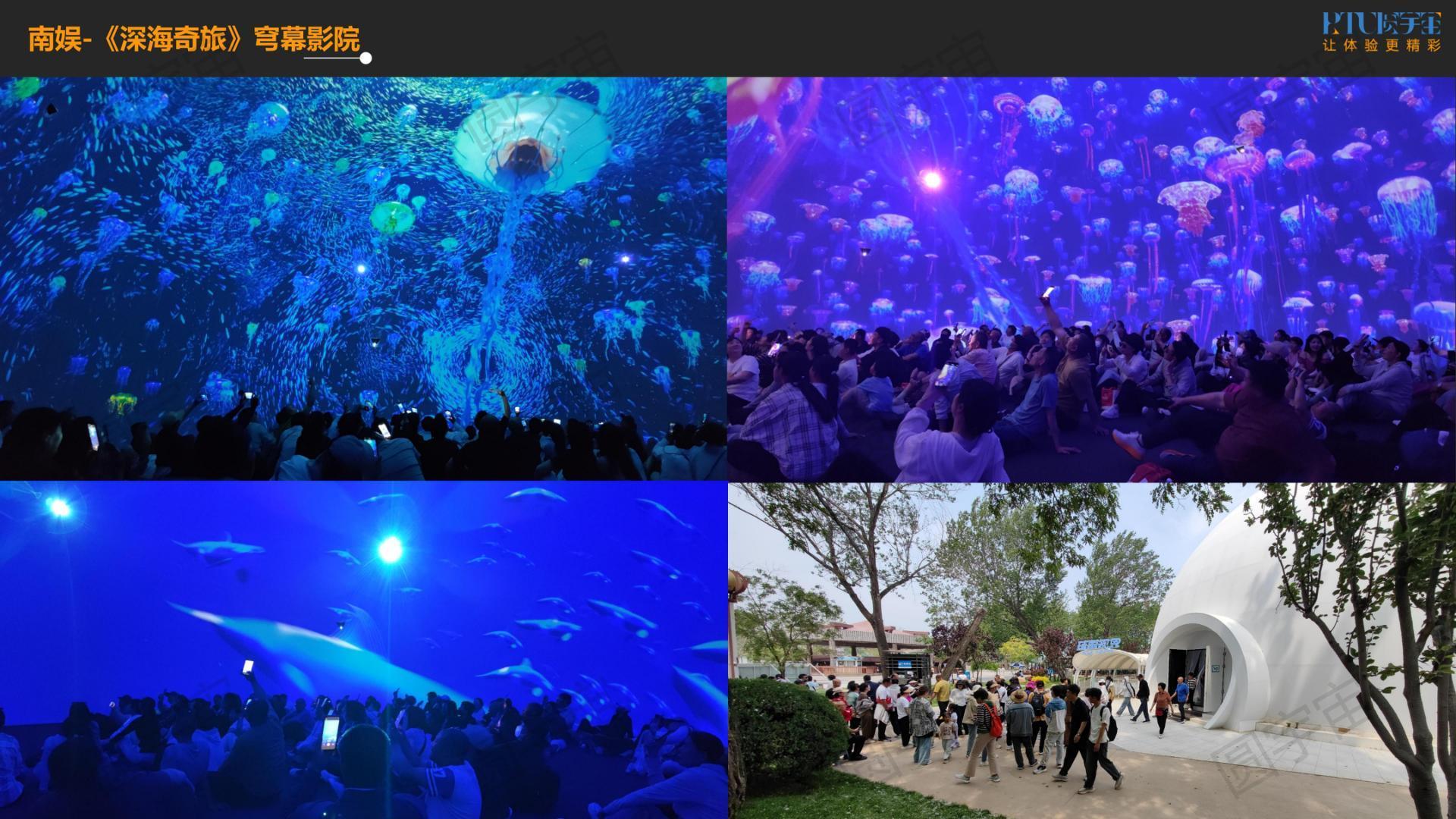
In an age defined by fleeting attention spans and digital saturation, the quest for truly immersive cultural experiences stands as both a challenge and an opportunity. Shanghai the Yuan Universe Digital Technology Co., Ltd., with its commitment to multidimensional immersive entertainment, exemplifies a bold vision for the future of cultural tourism and digital experience development. But beyond the allure of high-tech spectacle lies a deeper question: Can immersive technology fundamentally transform how we engage with culture, or is it merely an elaborate distraction dressed in innovation?
The company’s extensive repertoire, including “immersive dome cinema, immersive experience complex, corporate culture museum, science and technology museum, 4D cinema, dark ride,” and more, highlights the breadth of this technological approach. As stated, their core mission is to “use creativity, technology and art to interpret storytelling amusement and science popularization facilities, and help digital entertainment industry to innovate and develop.” This fusion of storytelling and technology is not unique to Yuan Universe. Globally, venues like the Fulldome Festival and multimedia installations by giants such as Meow Wolf have redefined audience engagement by dissolving traditional boundaries between observer and participant. However, while these experiences captivate with novelty, they also invite scrutiny: How authentic is the cultural transmission through these digitally mediated lenses?
Immersive technologies like those championed by Yuan Universe have the power to transcend physical and cultural barriers, offering access to experiences previously limited by geography or resources. For example, fulldome theaters bring audiences into astronomic journeys once reserved for planetarium experts, while digital recreations of historical sites provide education wrapped in engagement. Yet, reliance on such high-tech solutions may risk overshadowing the nuanced, human elements of culture—its imperfections, ambiguity, and tactile realities that resist virtualization. Moreover, the cost and complexity of deploying these installations may centralize cultural consumption in urban, affluent centers, inadvertently widening gaps rather than bridging them.
This tension has profound implications for creators, venues, and audiences alike. For creators, immersive technologies offer new canvases but demand interdisciplinary mastery—from AI intelligent control to human-computer interaction—that can marginalize traditional artisanship. Venues must grapple with maintaining relevance and financial viability in an era when digital spectacle can be both a draw and a short-lived novelty. Audiences, increasingly accustomed to highly curated sensory experiences, may develop higher thresholds for engagement, complicating efforts to spark genuine cultural curiosity or empathy. Long-term, as immersive formats proliferate, the cultural sector risks bifurcation: a high-tech elite experience contrasting with grassroots, analog cultural expressions.
So where does this leave us? The rise of companies like Shanghai the Yuan Universe Digital Technology Co., Ltd. should prompt a critical dialogue on the role of immersive technology in culture and tourism. Are these innovations enhancing cultural literacy and accessibility, or simply repackaging entertainment as edutainment? The answer, likely, lies in the balance between innovation and authenticity. Creators and programmers should ask themselves how each digital intervention serves to deepen understanding rather than merely dazzle. Vendors and stakeholders must consider equitable access to prevent immersive culture from becoming an urban luxury.
In an era defined by rapid technological advances, it is essential for the cultural and digital entertainment communities to engage thoughtfully with immersive experiences. Will we allow technology to dictate cultural narratives, or will we harness it as a tool to amplify diverse voices and stories in ways never before possible? As Yuan Universe and its ilk innovate, let us challenge them—and ourselves—to ensure that the future of immersive culture remains not only dazzling but meaningful, inclusive, and transformative.
Originally sparked by reporting from liu ziqiang via www.fddb.org on 2025-12-12 01:38:00.
Explore the original article here: www.fddb.org