

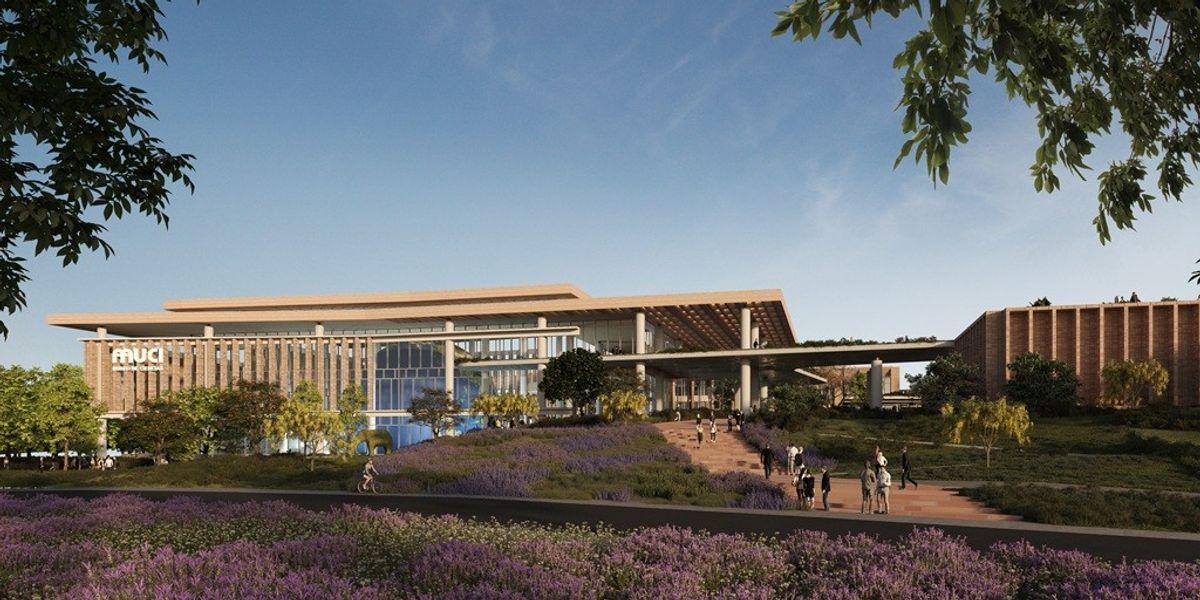
In an age where digital experiences dominate the cultural landscape, planetariums stand as unique bastions of immersive education and entertainment, blending astronomy with cutting-edge technology. According to recent data from the Space Foundation, global interest in space-related content is surging, with STEM education initiatives gaining momentum worldwide. This trend underscores the growing demand for spaces that not only entertain but also educate using immersive storytelling techniques. Planetariums, long revered as gateways to the cosmos, are evolving beyond traditional star shows to become dynamic arenas for cultural narratives and interactive experiences.
The planetarium sector itself is witnessing rapid technological transformation, driven in part by innovations in immersive cinema and fulldome projection. These advancements are allowing producers and venue operators to craft multisensory environments that captivate diverse audiences—from schoolchildren experiencing their first view of the stars to adults diving into rich narratives about humanity’s place in the universe. This shift toward holistic immersive media presents both opportunities and challenges for content creators and institutions seeking to stay relevant in a rapidly changing entertainment ecosystem.
Blas Servin, founder of COSM, encapsulates this evolving ethos succinctly: “A planetarium is a unique space that blends education, entertainment, and culture in a way few other venues can.” (Elaine Clarke, blooloop.com) His vantage point reflects a broader industry movement toward planetariums not just as astronomical theaters but as cultural hubs. This pivot holds profound implications for content developers, who must now balance scientific rigor with narrative engagement and cultural relevance. The challenge lies in creating experiences that resonate emotionally and intellectually, drawing in diverse audiences while maintaining educational integrity.
Servin’s emphasis on the “hybrid nature” of planetariums—merging immersive storytelling with scientific accuracy—further highlights an essential tension in the field: “We’re not just showing stars; we’re telling stories that connect people to the cosmos and to each other” (Elaine Clarke, blooloop.com). This approach broadens the potential victim base for planetarium programming, opening doors to collaborations across art, music, and multimedia domains. Such partnerships can deepen audience engagement and encourage repeat visits, establishing planetariums as vibrant community anchors that extend well beyond their traditional remit.
Moreover, Servin’s reflections reveal an important strategic imperative: embracing versatility in programming to adapt to diverse audience needs and technological possibilities. As he notes, “Being able to design content that works across different platforms and venues is crucial for the future of planetariums” (Elaine Clarke, blooloop.com). This adaptability is particularly relevant as fulldome and immersive cinema experiences become more prevalent. Content creators must think flexibly, designing modular shows that can transition from traditional dome theaters to VR platforms, schools, and even public spaces.
The trajectory described by Servin intersects dynamically with the broader fulldome and immersive cinema industry, where technology like high-resolution projections, spatial audio, and interactive elements are redefining audience expectations. For fulldome content creators, the planetarium’s multifaceted role suggests opportunities to innovate with narrative formats and educational frameworks, ensuring that immersive experiences are not only visually stunning but also insightful. Venues may increasingly seek partnerships with filmmakers and educators who can offer scientifically accurate yet emotionally compelling content, enhancing their programming portfolios and audience reach.
Educationally, the synthesis of storytelling and scientific content offers rich instructional potential, especially within STEM curricula. Planetariums can serve as launchpads for experiential learning, where complex scientific concepts are rendered accessible through immersive visuals and narrative context. For audience engagement, the blend of culture, education, and entertainment articulated by Servin can foster deeper emotional connections, encouraging diverse demographic groups to explore and appreciate space sciences in new, meaningful ways.
As immersive technologies and content sophistication continue to evolve, planetariums stand poised to lead this intersection of education, culture, and entertainment. The future of fulldome cinema and immersive experiences will likely be shaped significantly by the innovations and strategic insights of thought leaders like Blas Servin and institutions committed to expanding the boundaries of what these unique venues can offer.
(Source: Elaine Clarke, blooloop.com)
Originally reported by via blooloop.com on 2025-12-03 03:53:48.
Read the full original article here: blooloop.com