

The Rise of Immersive Domes: A Transformative Experience for Latin American Art and Beyond
Immersive experiences in art have long had the power to transcend traditional boundaries and deepen audience engagement. The recent DomoArte event, a traveling fulldome festival across Latin America, underscores a vital cultural shift: immersive media is not merely a niche novelty but a burgeoning platform reshaping how creators and audiences interact with artistic content. As digital technologies evolve, so does the opportunity to amplify voices across geographies and disciplines, heralding a new era for Latin American art and the global creative landscape.
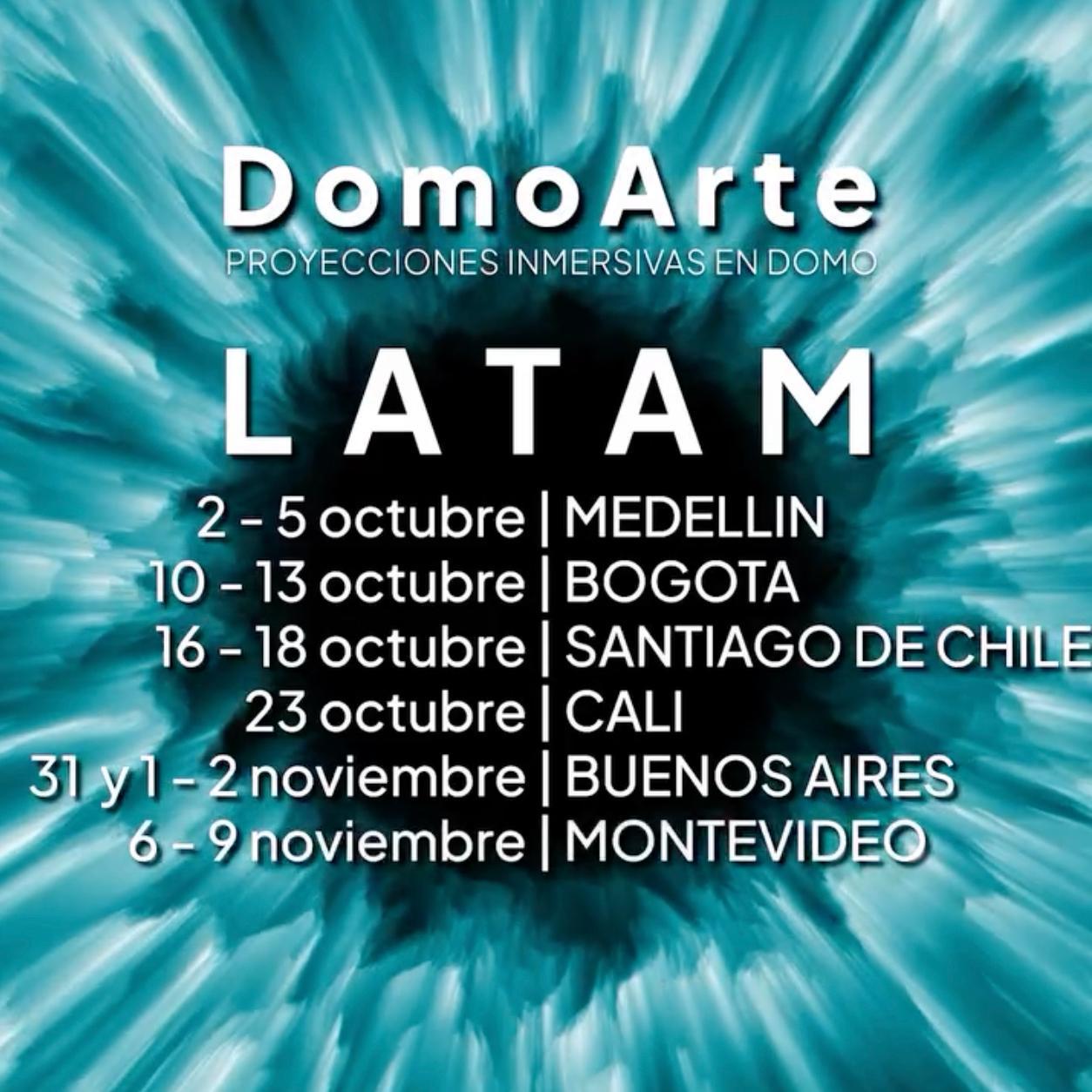
DomoArte’s 2025 tour, spanning Colombia, Chile, Argentina, and Uruguay, showcased “six domes, bringing together 16 artists,” blending immersive screenings with professional activities like “conferences, workshops and masterclasses.” This itinerary illuminates a compelling model where art intersects with community and learning, elevating the fulldome format beyond spectacle toward meaningful cultural exchange. In parallel, other immersive platforms—from VR concert experiences to interactive digital museum exhibitions—are proving how these technologies invite deeper emotional and intellectual participation, rather than passive consumption.
In fact, the integration of professional programming alongside screenings points to an essential strategy for sustainable creative ecosystems. It fosters dialogue among artists, technicians, and audiences, encouraging cross-pollination of ideas and skills. This ecosystem approach not only expands the capabilities of individual practitioners but also builds regional infrastructures that support immersive arts. Globally, festivals like Sundance’s New Frontier and Venice VR Expanded manifest similar ambitions: integrating education, collaboration, and innovation to push immersive media from the periphery to the heart of contemporary arts.
The momentum behind fulldome and immersive experiences reflects broader trends in audience behavior and technological advances. Contemporary audiences increasingly seek engagement that is multisensory, participatory, and memorable. This shift challenges venues and creators to rethink traditional presentation formats, encouraging hybrid models that are both physically and intellectually immersive. For artists, the dome becomes a canvas that envelops viewers, fostering a sense of presence and shared experience difficult to achieve in two-dimensional media.
Moreover, immersive venues have the potential to democratize access to art by activating diverse communities and bridging cultural divides. Latin America’s rich artistic heritage and growing digital infrastructure make it a fertile ground for nurturing these innovations. However, the long-term viability hinges on continued investment in education, equipment, and collaborative networks that empower local talent. Without this, immersive media risks becoming another form of exclusive high-tech spectacle rather than an inclusive cultural movement.
As immersive arts mature, stakeholders must grapple with questions of accessibility, representation, and sustainability. Are fulldome experiences tailored to diverse linguistic and cultural contexts? How can creators balance technological innovation with narrative and emotional depth? What role should public institutions and private partners play in fostering infrastructure? Addressing these challenges will determine whether immersive media can truly become a transformative force across Latin America and beyond.
The question now is whether the global creative community will embrace immersive formats as a fundamental medium rather than an experimental side path. How can programmers, artists, and venues collaborate to build ecosystems that nurture experimentation while ensuring broad access? The success of initiatives like DomoArte illustrates the promise of immersive media to expand artistic horizons and democratize cultural participation. Yet, it also serves as a call to action: to invest thoughtfully, innovate responsibly, and engage audiences deeply, so that immersive art can fulfill its revolutionary potential. Will we rise to the challenge? The future of immersive creativity depends on the choices we make today.
Originally sparked by reporting from jeremoury via www.fddb.org on 2025-11-05 14:30:00.
Explore the original article here: www.fddb.org