

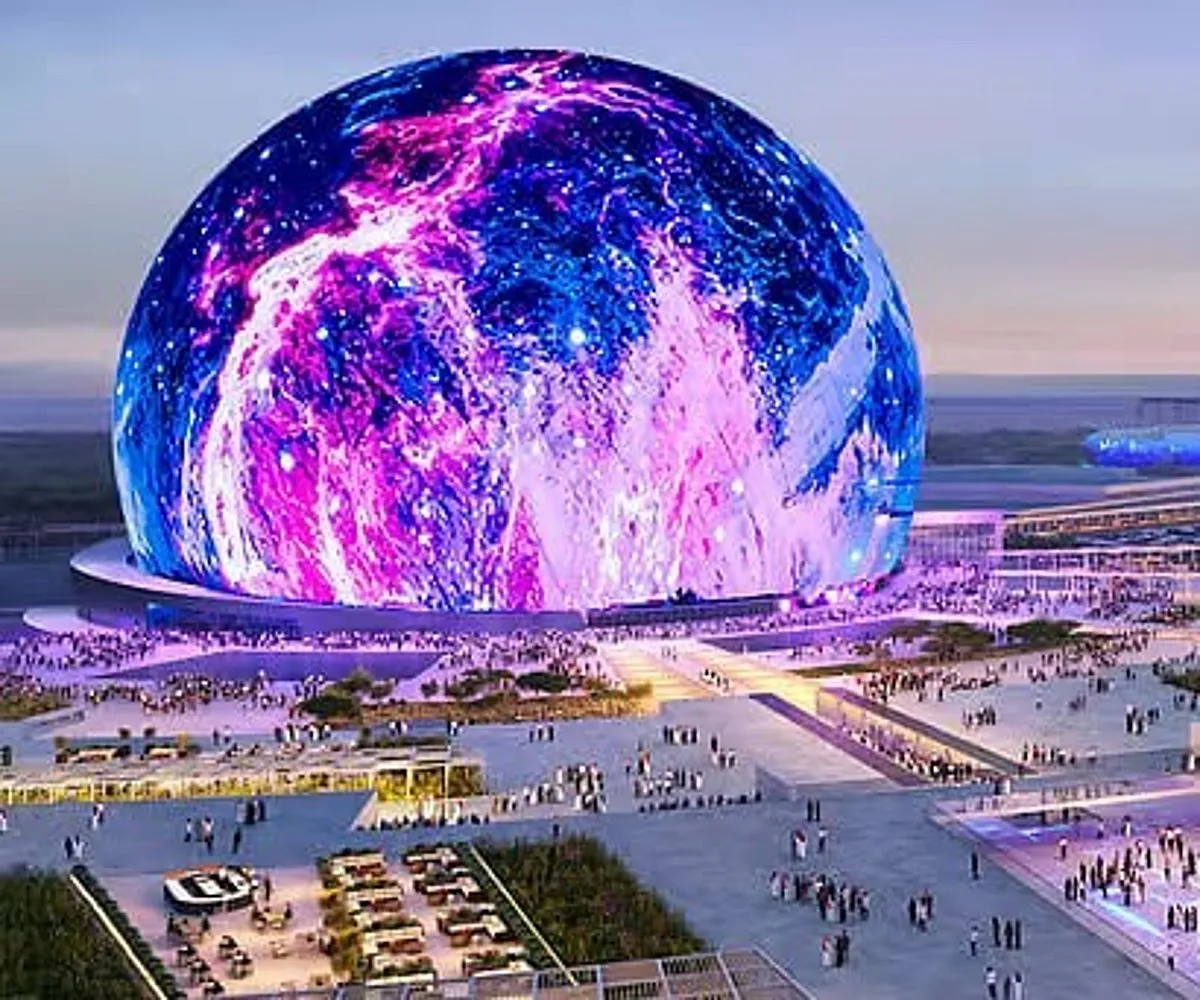

Across the Gulf, tourism is increasingly being used as a long-term economic engine rather than a seasonal add-on. In the UAE, that strategy is especially visible: the country has spent years diversifying beyond hydrocarbons by investing in entertainment, hospitality, transport, and urban experiences that can draw both regional travelers and international visitors. Abu Dhabi, Dubai, Sharjah, and Ras Al Khaimah are now competing not just on luxury, but on the breadth of what they can offer families, culture seekers, and event-driven travelers.
That broader shift matters because the modern visitor economy is no longer built around a single attraction. Travelers increasingly want destinations that combine leisure, architecture, public space, nature, and cultural identity in one itinerary. Gulf cities have responded by turning waterfronts, beaches, islands, and underused land into destination districts that can host festivals, outdoor recreation, sports, and large-scale entertainment year-round.
On Yas Island, that ambition is becoming even more pronounced. As the original article notes, “Yas Island was selected in May as the location for Sphere Abu Dhabi,” a project whose construction phase will cost $1.7 billion, making it the first Sphere venue outside the United States, according to the source. The scale of that investment signals more than a new building; it reflects a bet that the future of tourism in Abu Dhabi will be experience-led, with venues designed to create high-impact moments that can travel globally through social media, live events, and media coverage.
That approach also makes strategic sense for destinations that already have strong theme park and leisure ecosystems. A major venue like Sphere can act as a magnet for concerts, conventions, sporting events, and branded spectacles, while also encouraging longer stays and repeat visits. For cities competing in a crowded regional market, the challenge is not simply attracting attention once, but building a pipeline of reasons to return.
The article says the venue will “accommodate up to 20,000 people and host immersive experiences, concerts, sporting events, conferences and other major events,” while also showcasing Emirati culture and supporting local and Arab talent, according to the source. That mix is important. It suggests the project is being framed not just as an imported entertainment concept, but as a platform for local cultural expression and regional creative industries. In practice, that could help the venue avoid feeling like a standalone spectacle and instead make it part of a broader ecosystem of programming.
Abu Dhabi’s wider investment plan reinforces that direction. Miral’s announcement of more than Dh12 billion across Yas Island over the next five years shows how destination development is increasingly being managed as a portfolio strategy rather than a single-project wager. If the island’s theme parks, attractions, and immersive experiences expand in tandem, the area could strengthen its position as one of the UAE’s most concentrated leisure districts. The real test will be whether new development can be matched by transport, staffing, programming, and visitor flow that keeps the experience smooth at scale.
Dubai’s approach is similar but more distributed, with new leisure projects aiming to shape how residents use public space as much as how tourists spend their time. The source notes that Dubai approved the Al Layan Oasis project as “a new environmental and recreational destination,” and also backed a Dh500 million plan to redevelop Umm Suqeim Beach into an “integrated, all-day tourism and leisure destination” reflecting Emirati identity, according to the source. That pairing of ecology and recreation is increasingly common in urban planning: cities want attractions that feel modern, but they also want them to be legible as civic spaces rather than purely commercial zones.
That is where the smaller details become revealing. Walking and cycling tracks, outdoor cinemas, camping facilities, observation towers, and AI-enabled management systems all point to destinations that are being designed for use across different times of day and different audience types. A beach, waterfront, or oasis is no longer just a scenic backdrop; it becomes infrastructure for events, exercise, dining, family leisure, and local identity. The same logic is visible in Sharjah and Ras Al Khaimah, where coastal development is being tied to housing, community amenities, and tourism.
In Sharjah, the article describes Abu Al Keizan Marine Village as “inspired by coastal villages and incorporating elements of Islamic architecture and local identity,” according to the source. That framing matters because it places cultural continuity at the center of tourism development rather than treating it as an afterthought. For visitors, such projects offer a more distinctive sense of place; for residents, they can help ensure that growth feels anchored in familiar landscapes and traditions.
Similarly, Ras Al Khaimah’s Al Rams Waterfront shows how public-realm projects are becoming part of destination branding. Walkways, cycling paths, plazas, and green spaces may sound modest compared with mega-attractions, but they are often what makes a destination livable as well as visitable. In a region where competition is intense, the strongest tourism stories may increasingly be the ones that blend scale with everyday usability.
Originally reported by via gulfnews.com on 2026-09-26 04:07:16.
Read the full original article here: gulfnews.com