

Immersive experiences have transcended their niche beginnings to become a dominant force in entertainment and leisure, reshaping how audiences engage with art, technology, and storytelling. In an era saturated with digital content, these experiences offer a visceral, multi-sensory alternative that goes beyond passive consumption, inviting participants to step inside narratives, interact with environments, and forge memorable, personal connections. This shift signals not only an evolution in the attractions industry but a broader cultural transformation in how we seek meaning and engagement in an increasingly virtual world.
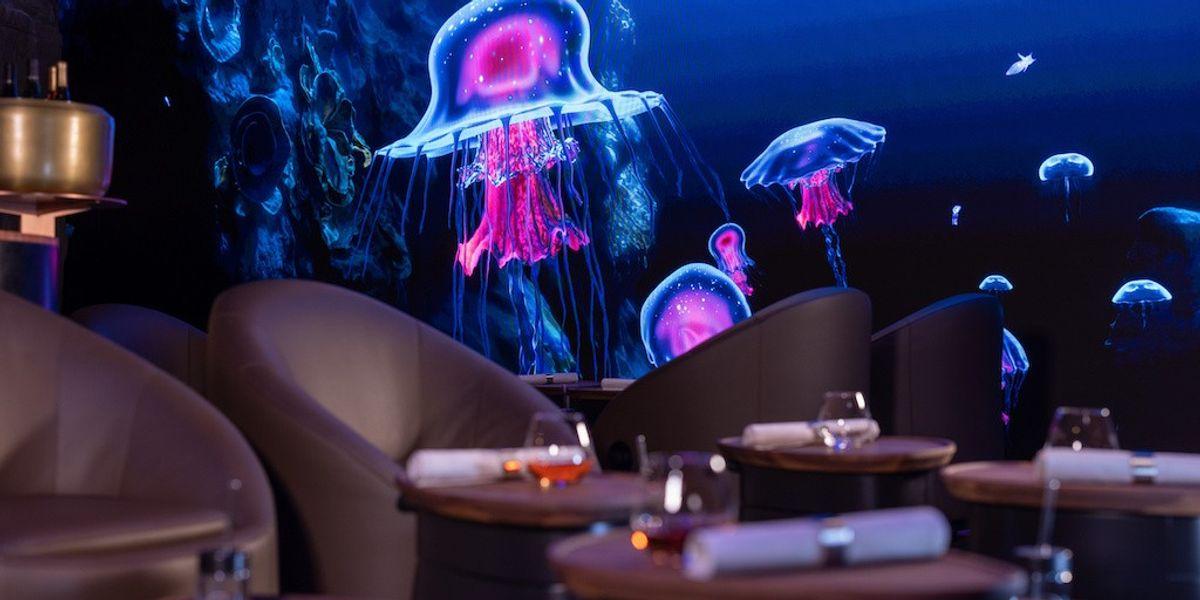
As highlighted by the growing variety of immersive offerings—from ABBA Voyage’s groundbreaking digital avatars to the multi-sensory dining at Eatrenalin in Germany—these experiences leverage cutting-edge technology to create new realms of possibility. Ludvig Andersson, producer of ABBA Voyage, describes the show as a “magic ABBA space church,” illustrating the transcendental potential of immersive design that fuses legacy with innovation. Similarly, the innovative use of water and digital effects at Aquascope in France, with Lyes Belhocine of Moment Factory remarking on water’s “limitless possibilities,” reflect the creative ambition driving this sector. By marrying physical environments with digital enhancements, immersive experiences challenge traditional boundaries of spectacle and participation, making entertainment more interactive and inclusive.
Beyond the attractions industry, the implications extend into sectors like wellness—with Therme resorts blending nature and technology for holistic, immersive experiences—and even retail and hospitality, where companies like Airbnb are redefining lodging with themed stays that deepen emotional connection. The integration of RFID technology in Dopeameme at Las Vegas’ Area15 further illustrates how data-driven engagement can personalize and elevate visitor participation, signaling a new frontier where technology not only facilitates but also actively shapes experience design.
This phenomenon matters profoundly because it redefines audience expectations and the economic landscape of entertainment. As consumers increasingly value experiences over material goods, immersive attractions offer a potent tool for brands and venues to build loyalty and generate revenue. Importantly, this shift also democratizes access to cultural and creative expressions, allowing for diverse narratives and interactive storytelling that resonate across generations. However, the rising complexity and cost of immersive productions pose challenges in sustainability and scalability, urging creators to balance technological spectacle with meaningful content.
Moreover, these experiences cultivate a shared social fabric at a time when digital isolation is pervasive. Unlike traditional screen-based media, immersive environments promote physical presence, collaboration, and community, qualities that resonate with innate human desires for connection and exploration. For creators and industry players, this necessitates a holistic approach that integrates technology, psychology, and narrative craft to foster authentic and lasting engagement.
As the immersive landscape rapidly expands, it prompts a fundamental question for the creative community: how can we harness technology to enrich, rather than overshadow, the human stories at the core of memory and meaning? It’s imperative for programmers, designers, and vendors to push beyond gimmickry towards experiences that are not only innovative but also emotionally and intellectually fulfilling. This calls for a collaborative ethos, where the synergy of art, science, and commerce is leveraged to pioneer sustainable models that prioritize audience-centricity. The future of immersive experiences depends not merely on technological advancements but on the industry’s willingness to challenge conventions and elevate the very essence of engagement.
In embracing this transformative moment, stakeholders must invite broader discourse around the ethics, accessibility, and long-term impact of immersive media. Are these experiences cultivating deeper empathy and understanding, or simply chasing the thrill of novelty? By fostering critical reflection alongside creative experimentation, the attractions industry can shape a future where immersive experiences become powerful catalysts for connection, culture, and commerce. The conversation starts now—are we ready to listen?
Originally sparked by reporting from Bea Mitchell via blooloop.com on 2026-05-06 07:03:00.
Explore the original article here: blooloop.com